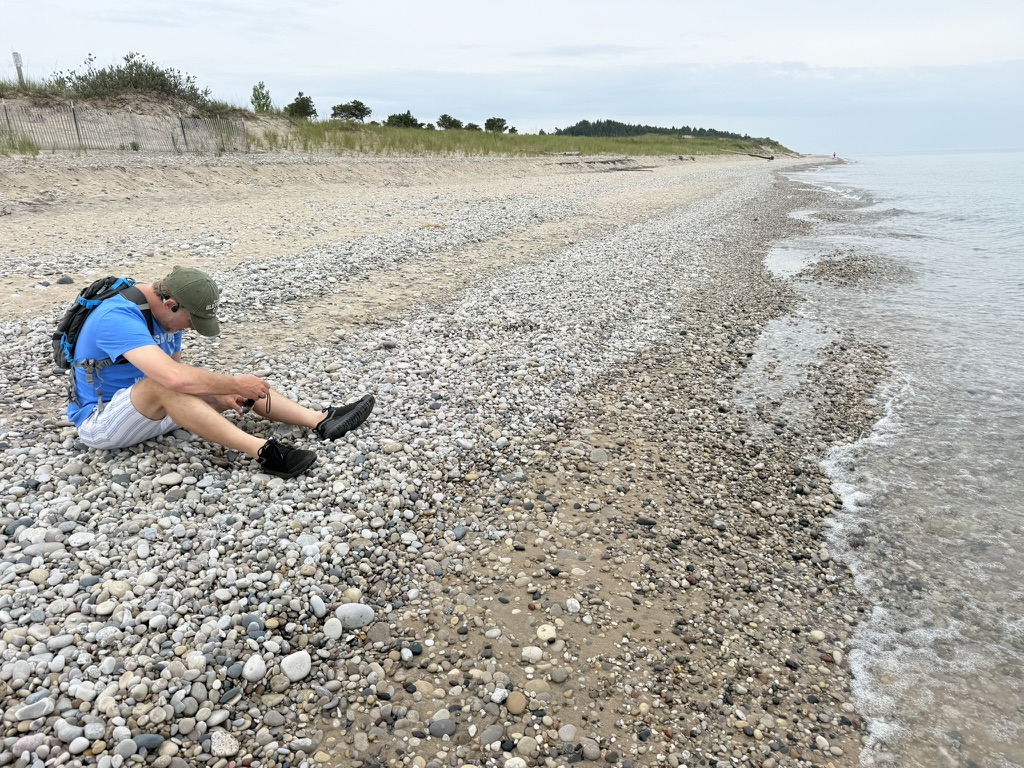
Rock hounding is one of those things that sounds slow until you're doing it — then suddenly you've spent four hours bent over a shoreline with a handful of wet rocks. Up in Michigan, the beaches give you two of the best reasons to do it: Petoskey stones, Michigan's state stone, and Yooperlites, rocks that literally glow under a UV light.
/ The State Stone
Petoskey stones are fossilized coral — Hexagonaria, about 350 million years old. Each one is a piece of an ancient coral reef, and the honeycomb pattern on the surface is the fossilized structure of the coral itself. When they're dry they just look like gray rocks. Get them wet, and the pattern pops like it was printed yesterday.
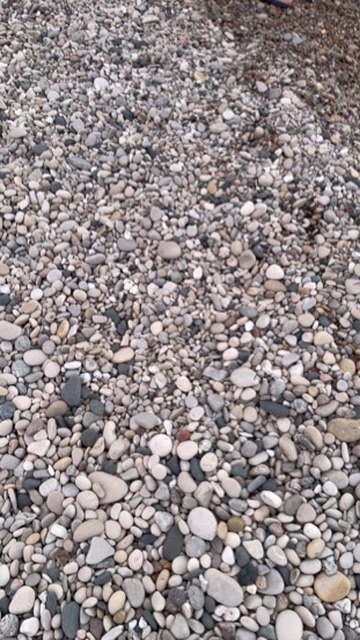
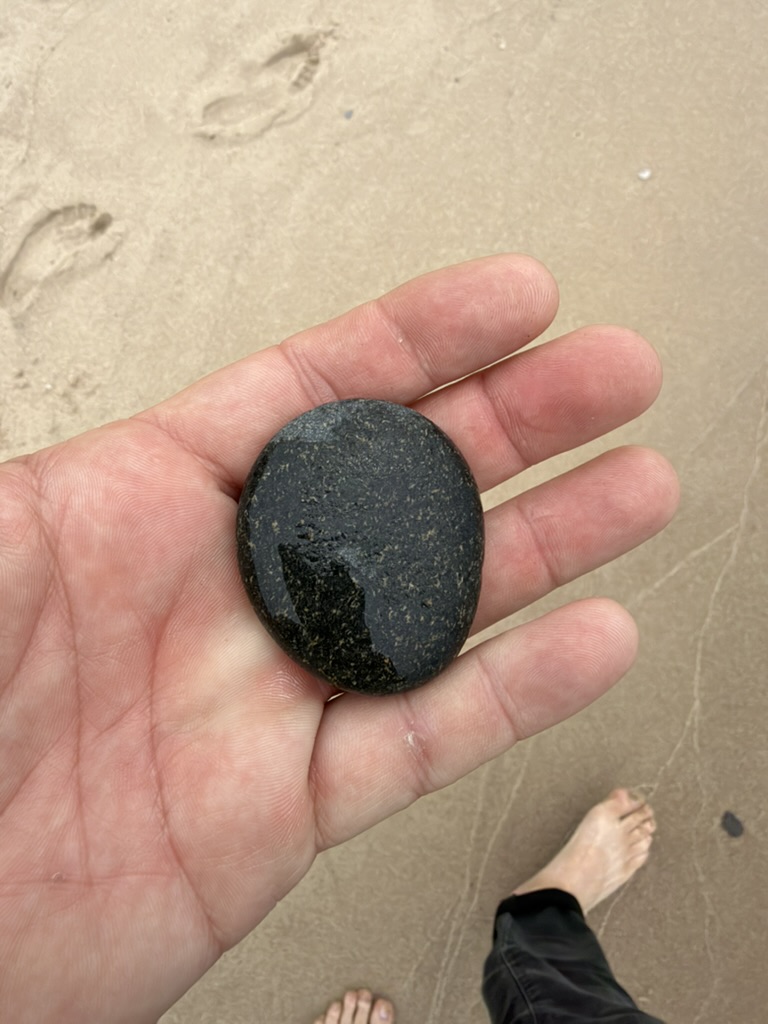
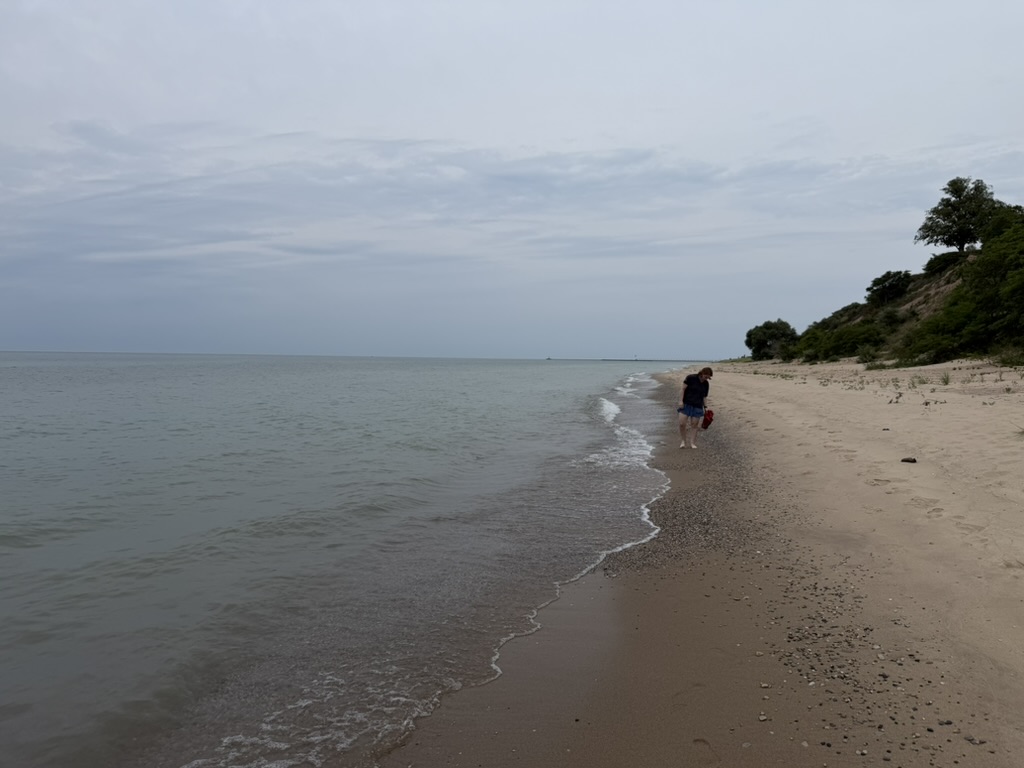
The trick is knowing where to look. After a storm, or in the gravel along the waterline, the stones turn up where the waves have rolled them clean. You learn the feel of one in your hand before you ever see the pattern — smooth, heavy for its size, and just a little bit different from everything else on the beach.
/ The Ones That Glow
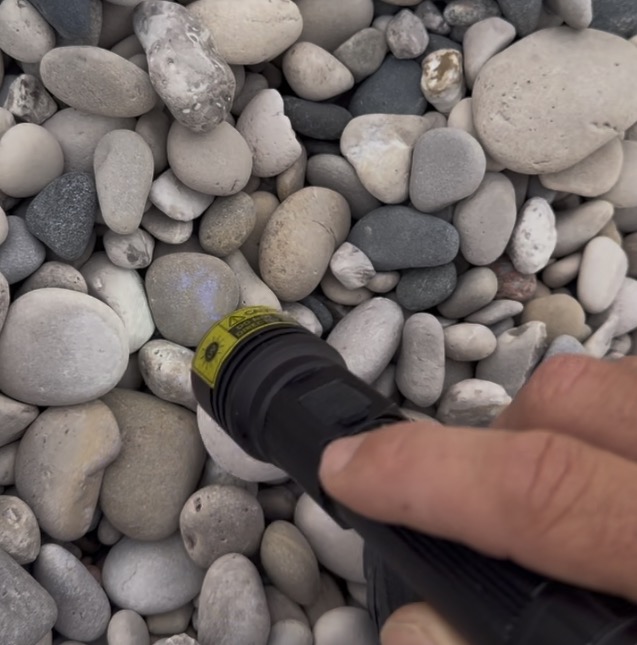
Yooperlites are a different kind of find. They're a fluorescent sodalite that glows bright orange under UV light — invisible in daylight, impossible to miss after dark. Walk the same stretch of beach with a UV flashlight and the rocks start answering back.
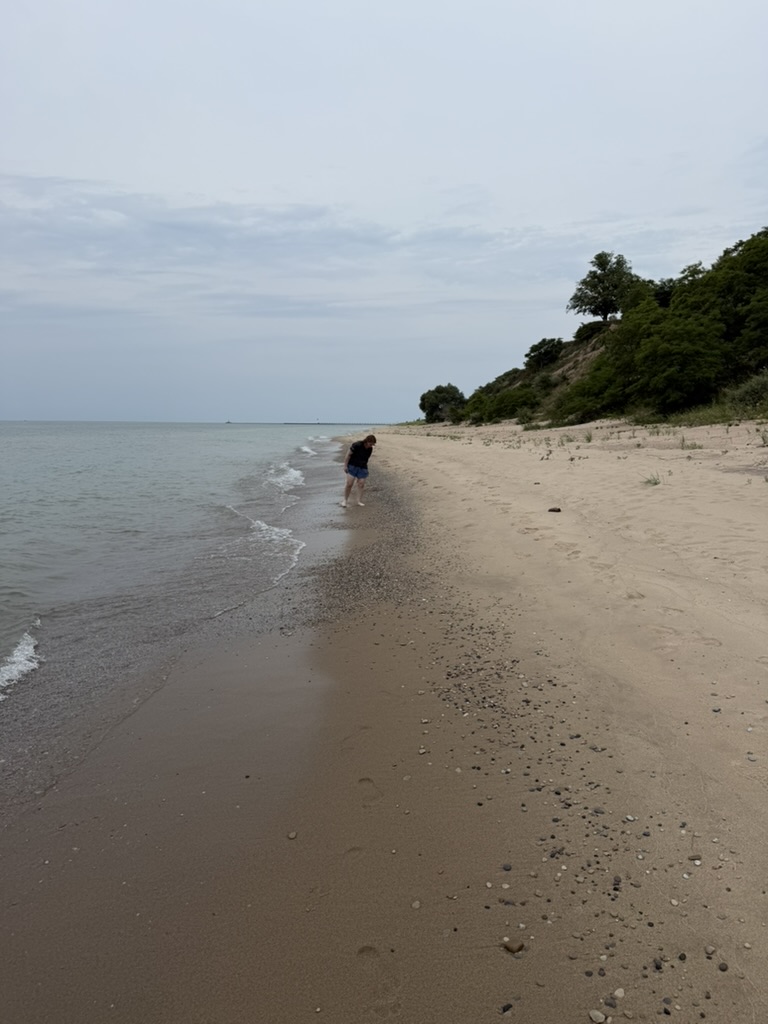
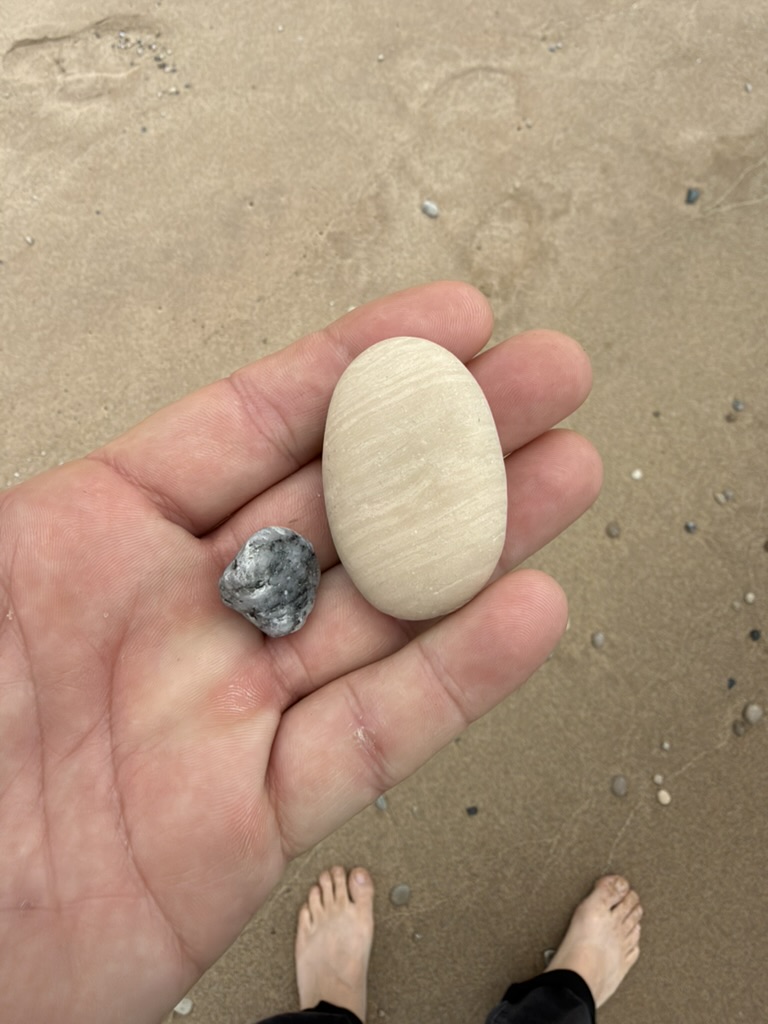
Daylight finds you the stones. UV light finds you the ones that glow.
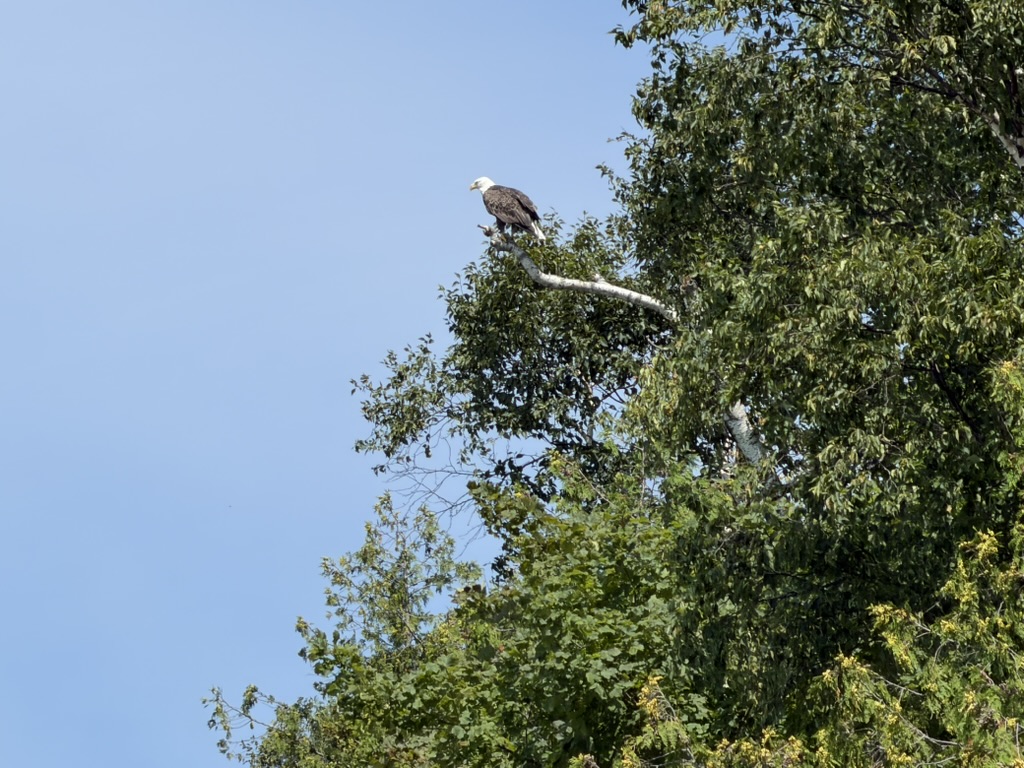
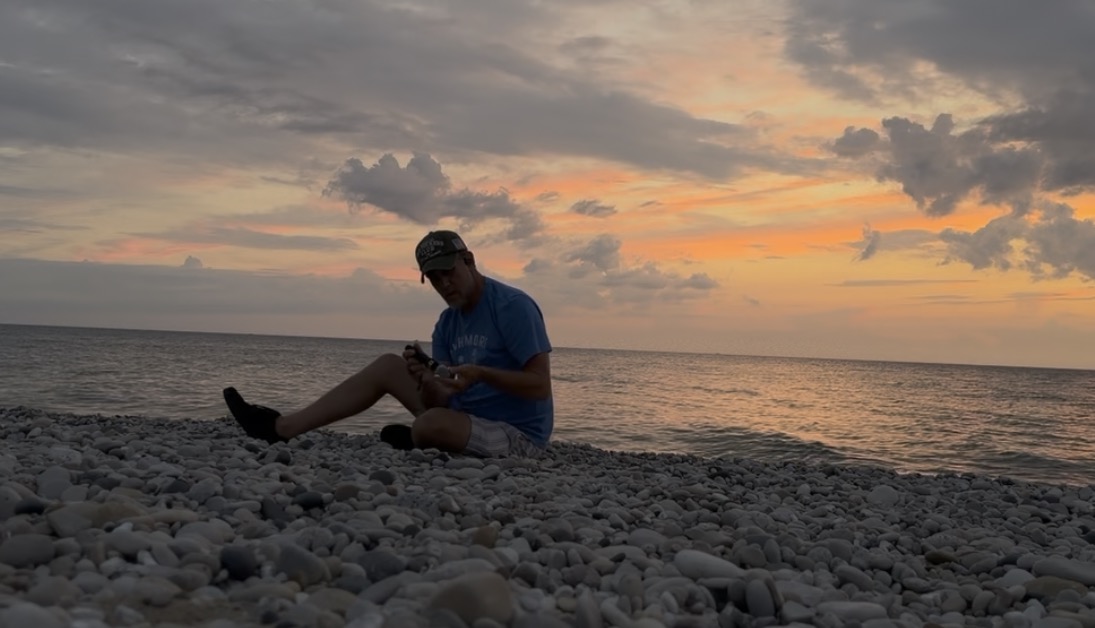
A few hours of hounding and the pocket full of rocks starts to tell the story of the beach — what washed in, what the lake has been grinding on for 350 million years, and what only shows up after the sun goes down. Best kind of souvenir there is: it was already there, you just had to look.
Until the next run out — work hard, play hard.