Every city carries history. Berlin carries it out in the open.
I walked the Memorial to the Murdered Jews of Europe — 2,711 concrete stelae on sloping ground near the Brandenburg Gate, designed by Peter Eisenman. From the edge it looks like a grid. Step inside and the ground rises and falls under your feet, the blocks tower over you, the sound of the city drops away, and you feel small in a way you don't expect.
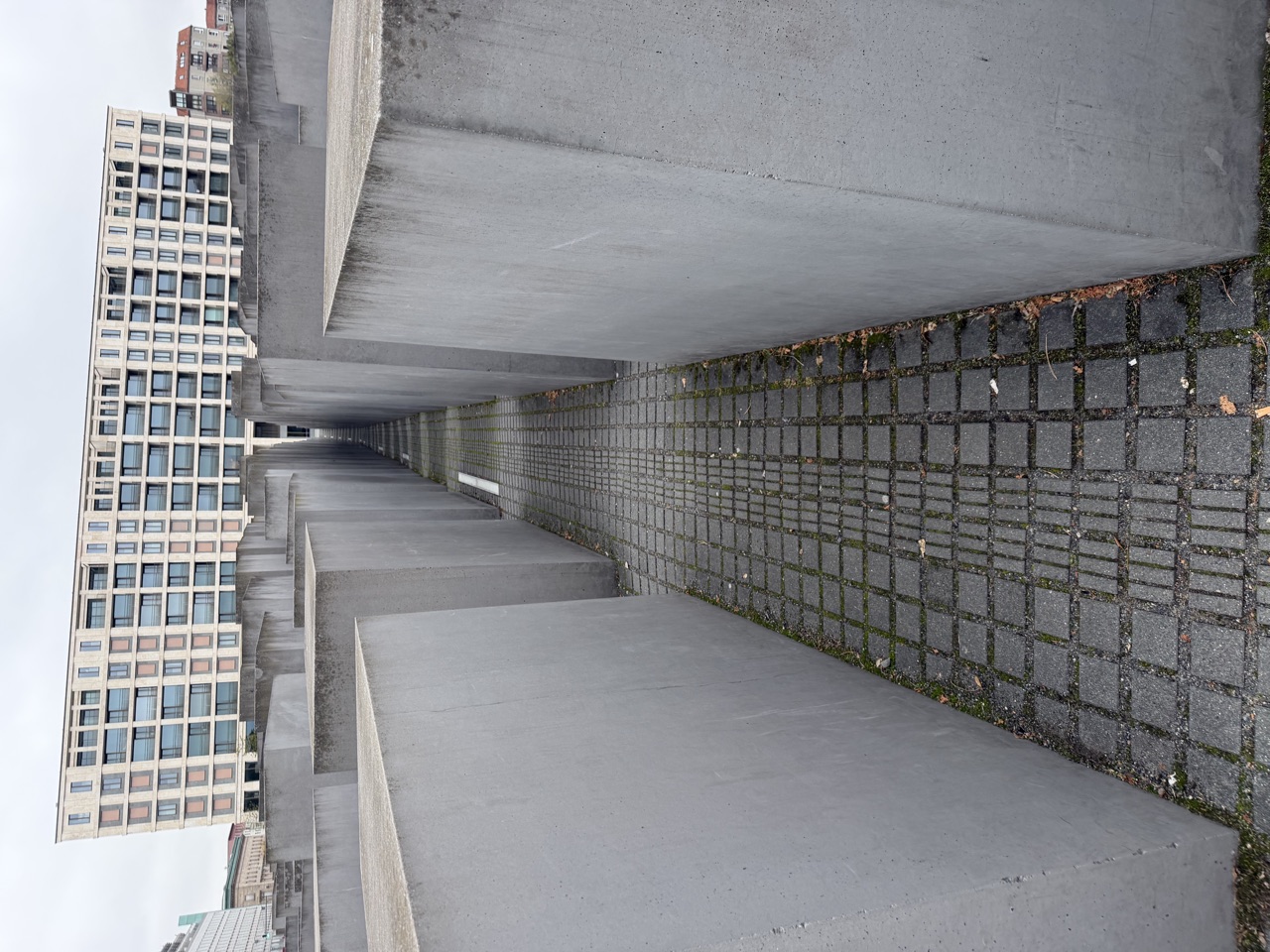
There's no way to read that field and not be humbled. It stands for six million people — families, workers, artists, children — whose lives were taken so brutally that the hardest thing to hold onto is how ordinary they were. They were just people. And so many of them, and so many who fought to stop it, paid for the society we get to live in.
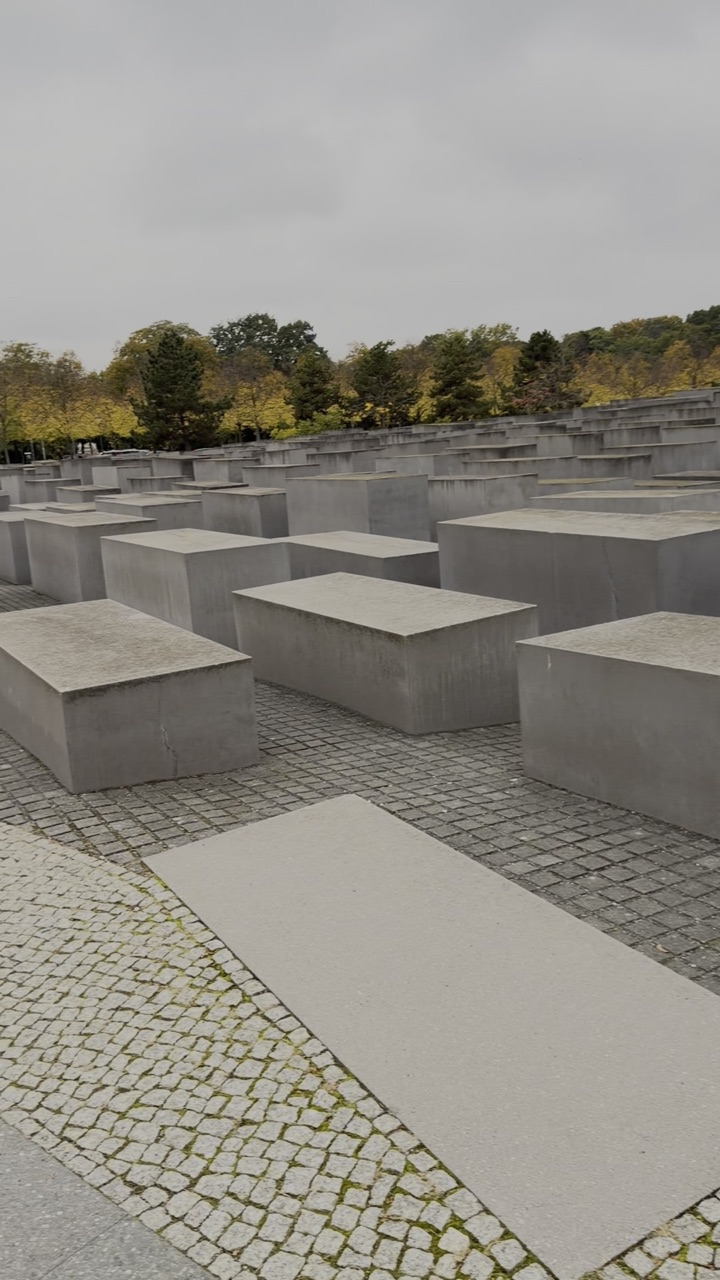
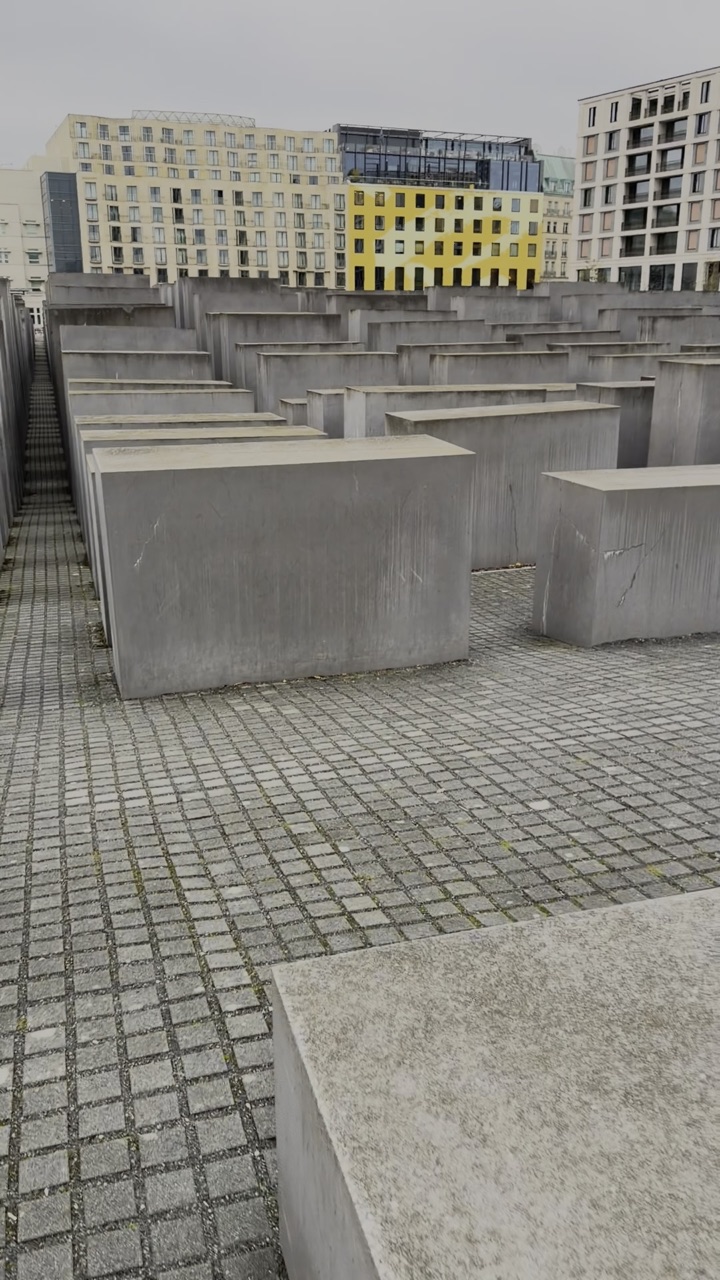
What struck me most is the timing: it's crazy to realize this memorial was built sixty years after the end of WWII in Europe. Generations had to pass before a city — and a country — could stand in its center and say, plainly, we will remember what we did.
The whole site is somber. But I walked away from it with something other than heaviness. It reminded me that life is precious, that what we have isn't owed, and that the people who came before us went through incredibly horrible things to build what we have now. That's worth carrying with you the rest of the trip.
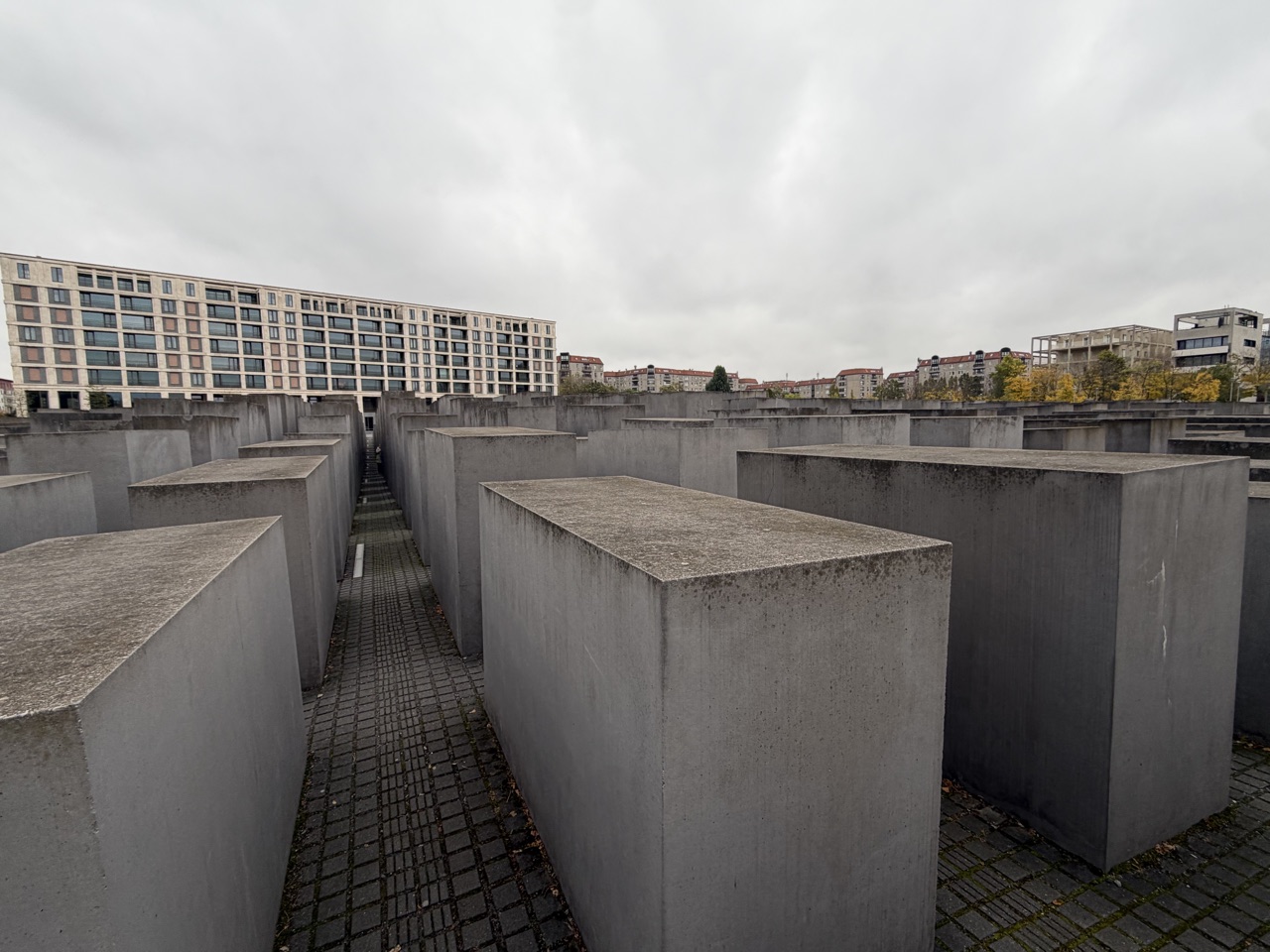
We have it pretty good. Never forget how much it cost.
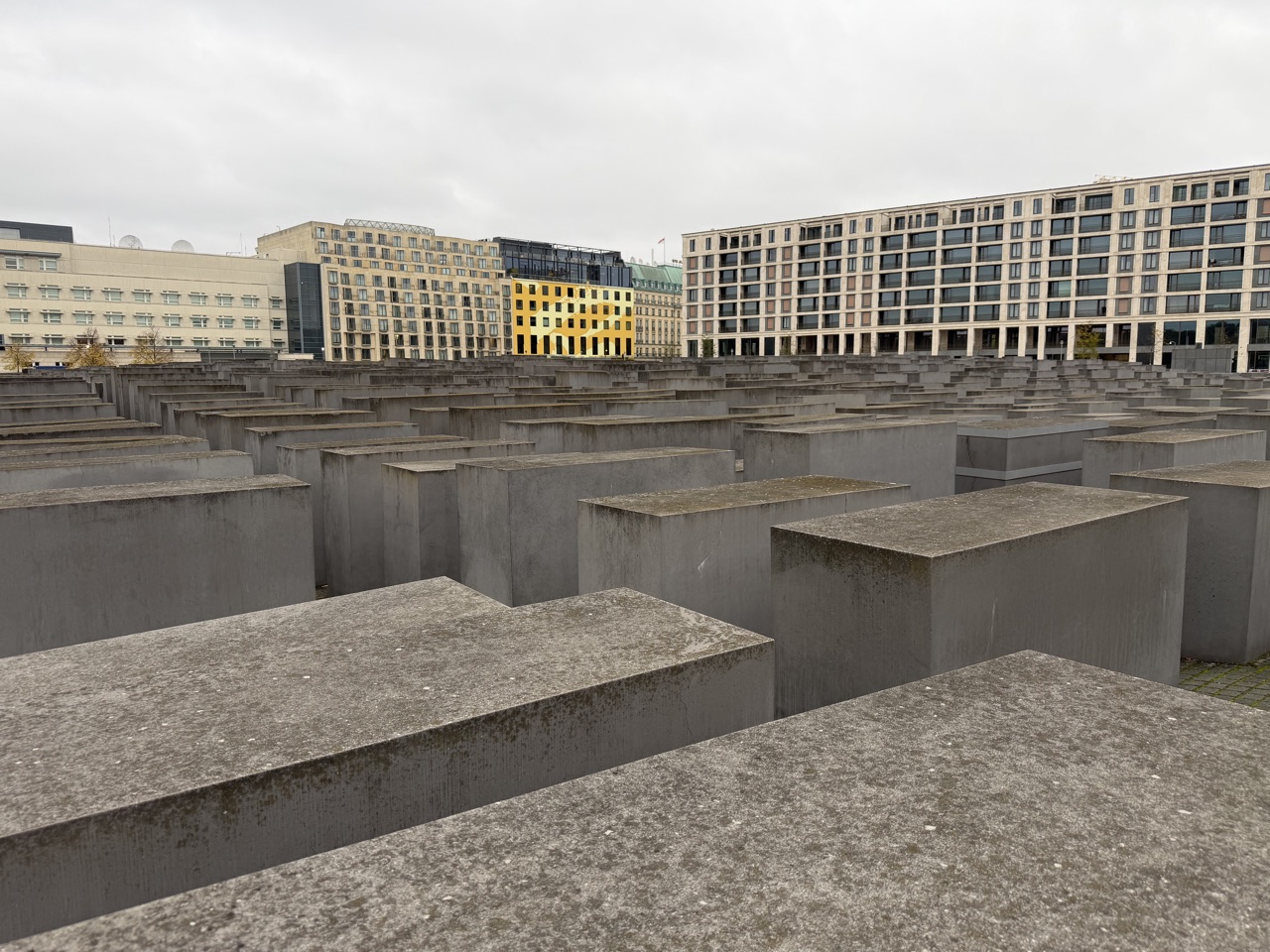
If you make it to Berlin, put it on the list. It's quiet, it's free, and it'll stay with you longer than any museum.
Until the next run out — work hard, play hard.